
Between Daydreams: Tracking my algorithm-driven consumption
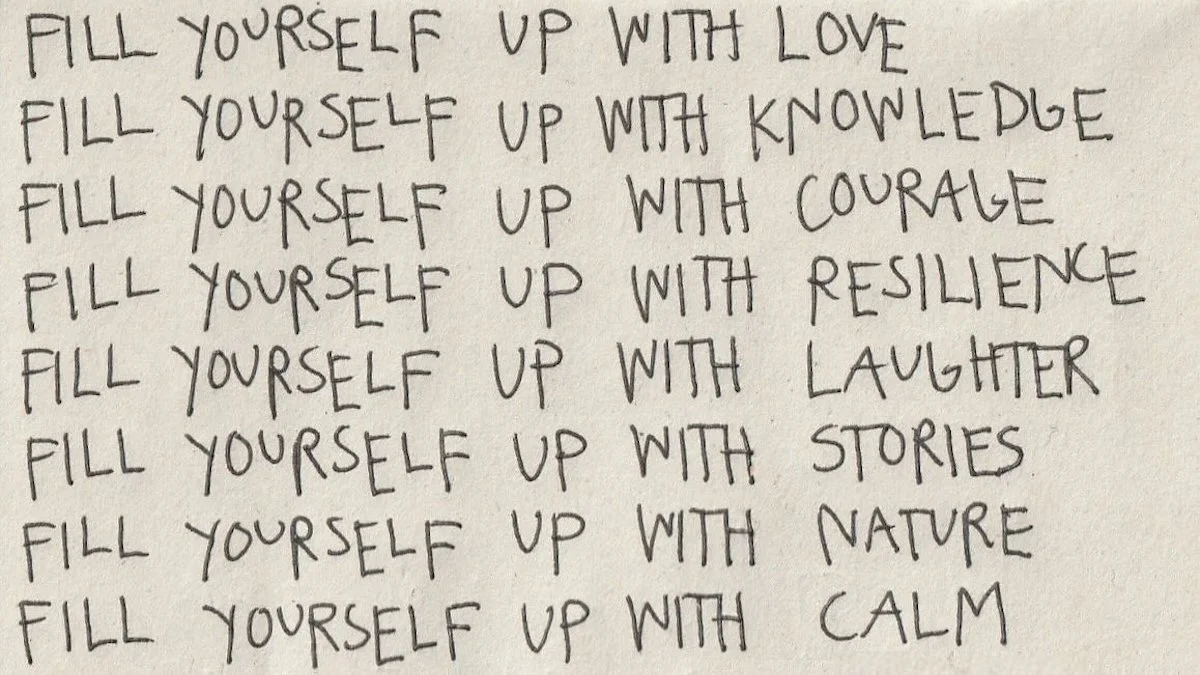
Image by Victoria Bencsik @somuchluvindisclub
Introducing “Between Daydreams”
Musings on tech, society, and exiting the algorithm
Eva Sachar, former Data Reframed Steering Committee member, and workshop designer and facilitator extraordinaire, was struggling with digital addiction last year and began a project to analyze her weekly consumption. She categorized everything she ate, bought, read, listened to, and watched as algorithmically influenced or organic and has been documenting it on Substack.
Hi everyone!
I hope you’ve all been well! I often think back to the conversations that we had at Data Reframed and am excited to reconnect!
Inspired by our discussions about the complicated relationship between tech and society, I’ve recently launched a project focused on digital consumption, algorithmic influence, and reclaiming control.
I don’t need to tell you about how much our phones and the internet shape our lives, we need them to function and participate in society, and as a side effect, we’re stuck interfacing with too much digital content. It’s overwhelming!
I’ve also been thinking about how little control we have over what content is surfaced to us - everything from ads, explore feeds, search results, and news are curated by what the tech giants have determined they know about us and what they want to sell us. Once we “opt in” to these digital media platforms, they gain control over not only what we see, but what we think and learn and feel.
I began wondering what it would mean to “exit the algorithm,” especially after reading Filterworld. How much are we influenced by these algorithms? Does it matter?
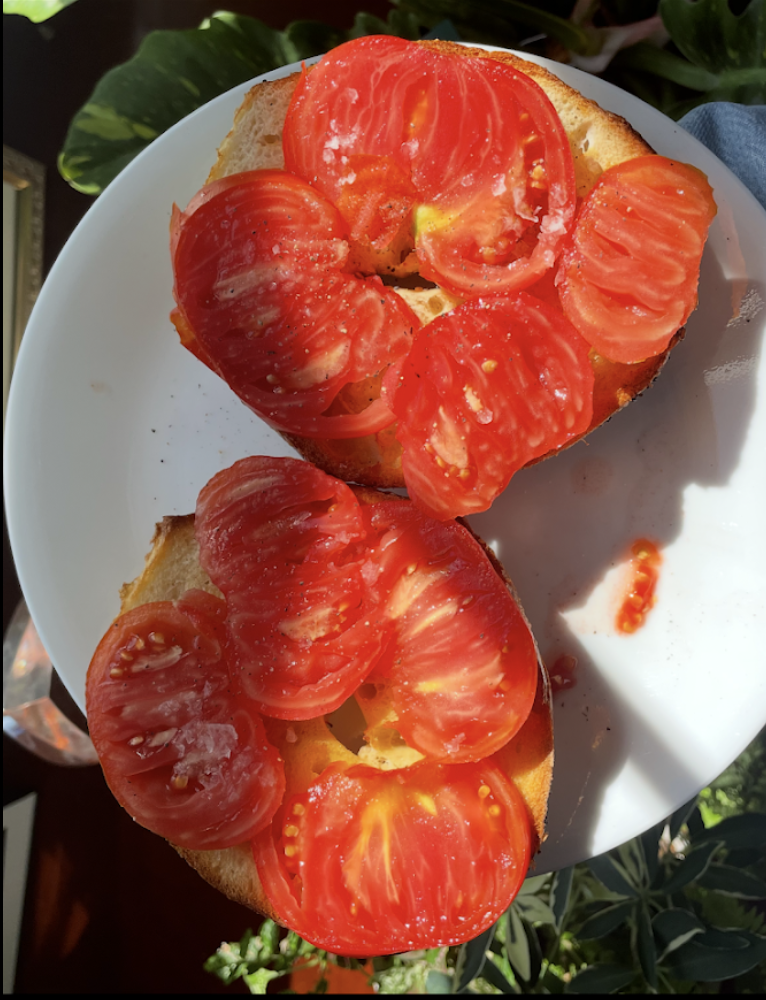
Summer 2025: heirloom tomatoes + the sleep schedule of a grandma
To answer these questions, I started tracking my weekly consumption - basically everything I ate, bought, read, listened to, and watched. I categorized everything as algorithmically influenced or organic and have been exploring how much the algorithms influence me through the explore feed, targeted ads, recommended content, etc. I published 11 of these weekly consumption lists and I’ve also written reflections about Good Consumption, My Take on Instagram, Balanced Consumption, and You Are What You Eat.
When I started this project, I was definitely struggling with digital addiction. I averaged 200 pick ups a day, was guiltily scrolling Instagram and drowning in emails, and experiencing fomo. I now try my best to use my phone like a landline (by leaving it in the living room, especially overnight), keep Instagram deleted when I’m not posting, and have internalized that the digital world is not reality. I don’t have to explain the mental burden of being addicted to our phones, it’s a universal experience, but tracking my consumption has helped me reform my information diet and now I feel free!
I expected that the algorithm-driven consumption would be less meaningful to me or be less credible, but I did not find this to be true.
Instead, consuming less and being intentional about what I interact with and how it makes me feel has made all the difference and reformed the role my phone plays in my life.
I’d love for you to join the conversation! If you’re interested in exploring how our digital lives are shaping us, you might enjoy my Substack, Between Daydreams. And if you’re interested in sharing your own “consumption list” or an essay on a related topic, I’d love to feature your work - please reach out!
–Eva

About Eva Sachar
Eva previously served on the Steering Committee at Data Reframed, leading Partnership efforts and facilitating Data Equity Workshops. Inspired by her exploration of digital wellbeing, she now writes weekly Consumption Lists and reflections on how digital content shapes everyday life on her Substack, Between Daydreams.