
Black Girl World-building at MozFest 2025
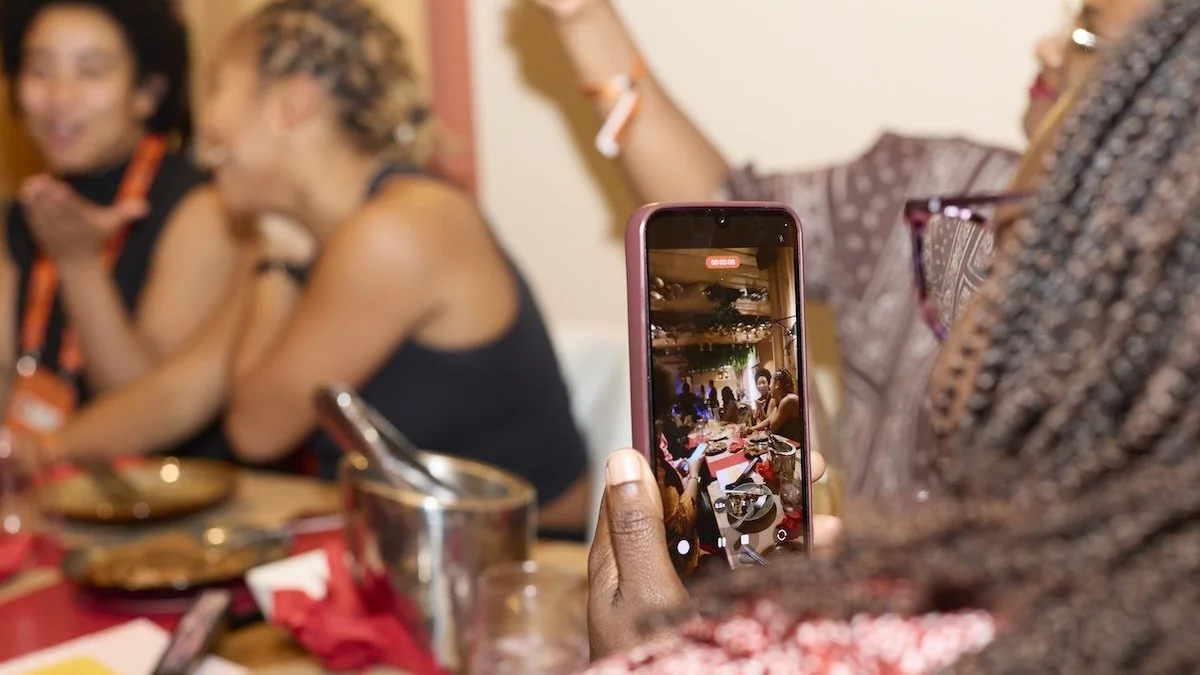
Black women gathering at an African restaurant in Barcelona during MozFest 2025. Photo courtesy of Black Tech Futures Research Institute
By Dr Kũi Mackay and Dr Ronda Železný-Green
“It's magic what we do. It's sacred... and big.” — Delta Slim, Sinners
As Black women, one of the ways we live our unapologetic Black feminist ideals is by being strategic and intentional about the spaces we engage with. This is born out of a need to decenter spaces not built for us and to limit our exposure to harm from systems of oppression. This is perhaps one of the reasons that in the nearly five years since we co-founded BRK Ujima, our trip to MozFest 2025 (Mozilla's annual conference) in Barcelona was the first official international conference that we both attended together.
When considering whether to attend MozFest, a few things stood in its favor. MozFest's theme "Unlearning" aligned perfectly with one of our core values: "A commitment to learning and unlearning". The opening day keynote speaker was Ruha Benjamin, a MacArthur Fellowship recipient (colloquially called the "Genius Grant"), transdisciplinary scholar, writer and activist. With our work at the intersection of Blackness, technology, and gender, having such an incredible Black woman as keynote was significant. Her presence itself was a form of unlearning, challenging dominant beliefs about who can impart knowledge, who can teach, and who can speak with authority.
There were also logistical, practical reasons to attend. With Ronda living between the UK and Spain and Kũi in Liverpool, Barcelona was accessible and affordable for us both. However, these same factors (i.e. geography and cost) were the very barriers that kept many others out, including our co-founder Belinda. The minimum three-night stay in Barcelona, plus flights from Accra, was unaffordable for our small, three-person Black women-led organization. Beyond our own situation, there were numerous last-minute adjustments to the MozFest program because many speakers from Global Majority nations, particularly those from Africa, were unable to attend due to visa barriers.
While exploring how to write about our experiences at MozFest, we found ourselves returning to a movie that has been a fervent topic of discussion in the BRK Ujima circle: Sinners. While not wanting to be reductive, Sinners brings to life the complexities of navigating multiple dualities while Black. This is precisely what we experienced at MozFest: access and exclusion, presence and absence, learning and unlearning. As Black women, this is a reality we are familiar with. So, we did what Black women do best: we held the contradictions while simultaneously creating something new.
"Remember to imagine and craft the worlds you cannot live without, just as you dismantle the ones you cannot live within." –Dr Ruha Benjamin
Our world-building began even before we gathered in Spain; we formed virtual connections with Black women attending the conference via LinkedIn. As more women joined the conversation, an energy of community and respect grew. This was especially refreshing as the post-COVID era means some of us are still having new "first time in-person" contacts. During MozFest, we attended many sessions together, deliberately choosing to move through the conference in the company of Black women. Now back in our respective countries, we continue those connections virtually.
When deciding which sessions to attend, we prioritized those that were either facilitated by Black women and/or centered on Black knowledge and practices.
In "Love as Political Practice" facilitated by Gustavo Souza and Gabriela de Almeida Pereira, we heard about Brazilian Black networks of care using love as a political strategy to combat disinformation. This resonated deeply as we are creating a syllabus around bell hooks' love ethic for the workplace.
Two sessions gave us the missing piece for a Black women and AI project we are designing. Drawing on Black diasporic spiritual practices and ancestral wisdom, themes that also permeate Sinners, these sessions offered a framework for thinking across three temporalities: past (ancestral knowledge), present (current realities), and future (speculative possibilities).
Ingrid LaFleur's "Afrofuture World-Build" introduced us to the Dinkinesh Method, a futures-thinking framework rooted in ancestral wisdom, communal care, and ecological balance.
Tais Oliveira's "Ossain Orisha and Environmental Justice" drew on the mythology of the orisha Ossain and the ancestral wisdom of traditional African-based communities in Brazil to help us rethink AI's harmful environmental impact and imagine alternative technological futures rooted in respect for nature.
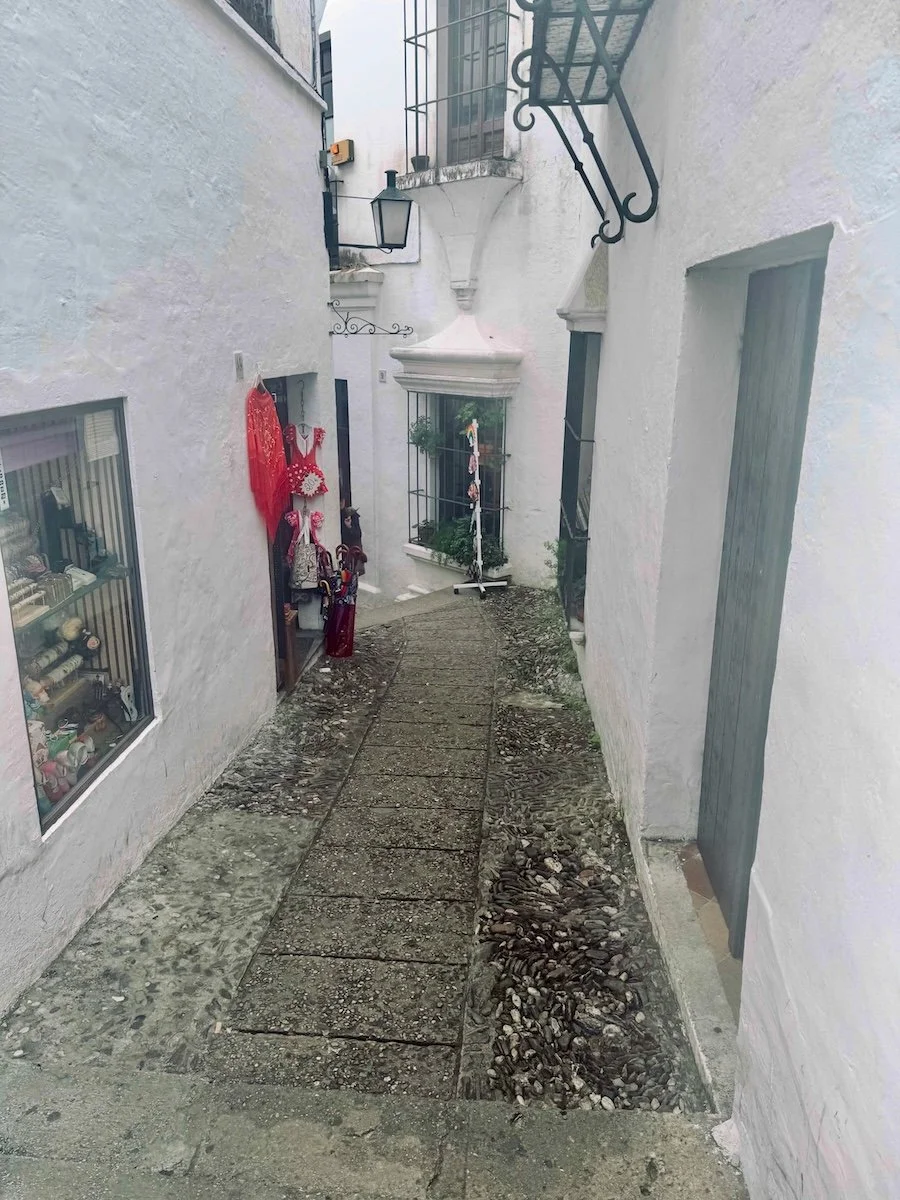
Poble Espanyol's narrow streets and steep stairs. Photo credit: Dr Kũi Mackay
Outside the formal sessions and conference spaces, we continued our Black girl world-making, revealing yet another duality. The conference was predominantly white, and Black presence and contributions were systematically sidelined. The exhibitions in Section F, most by Black organizations and contributors, were relegated to a dark, dimly lit church-like building that was out of the way and almost impossible to find. Sessions led by Black people and people of color were allocated small, cramped rooms, some with barely any seating beyond wooden cubes, with one requiring attendees to walk through another active session to enter. Multiple sessions on race and gender ran simultaneously, forcing attendees to choose between important conversations that should have had equal prominence. The venue itself, Poble Espanyol, while beautiful, was not accessible. The winding, narrow streets and steep stairs created barriers for many attendees. Additionally, many Black women also experienced microaggressions and other forms of gender and race-based discrimination in Barcelona beyond these conference logistics.
Yet, we co-created our own Black woman-only sanctuaries where we were surrounded by Blackness. In the spirit of the juke joint in Sinners, our connection transcended virtual and physical realms, was multigenerational, and spanned the breadth of the diaspora. In these spaces, we expressed and experienced our Blackness in all its joy, complexity, beauty and power.
MozFest returns to Barcelona next year. When the organizers were asked about visas during a Q&A session, they expressed a willingness to work harder at making the process more just and equitable. We truly hope so. Despite the lowlights, we left this year's conference feeling inspired, blessed, and affirmed, and we are looking forward to MozFest 2026, hopefully alongside more Black women, especially from African nations.
Contact us for a free consultation about how we can collaborate to create a more just world.
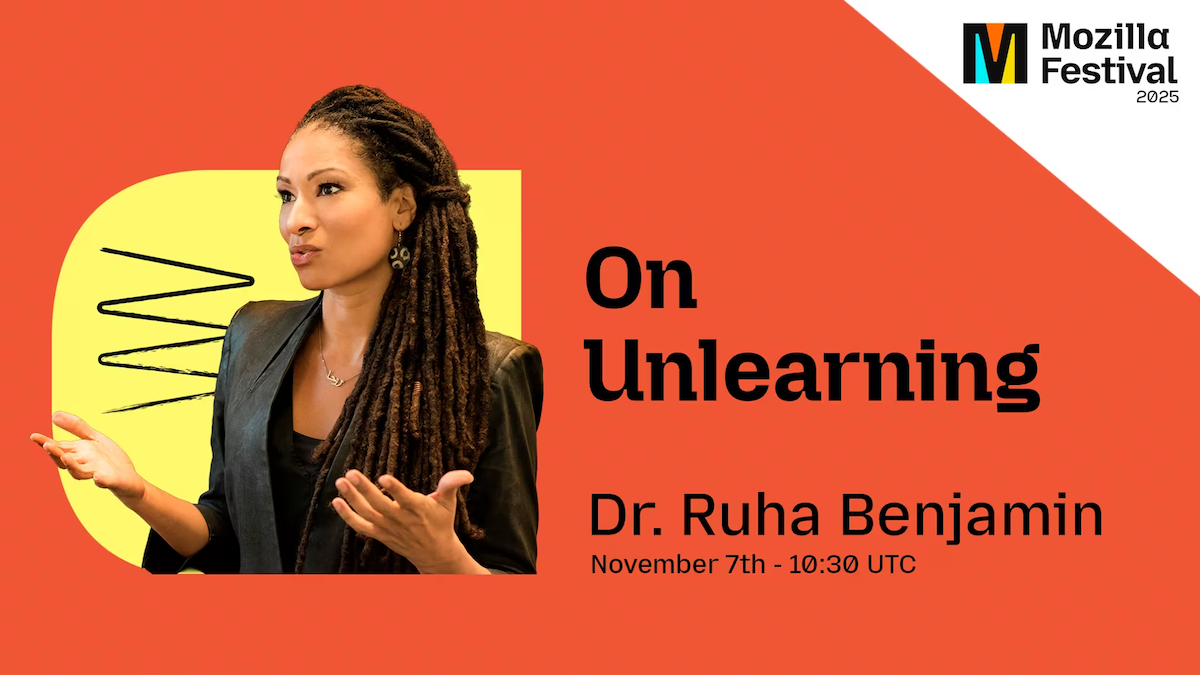
Watch Dr Ruha Benjamin’s MozFest plenary “On Unlearning”
About the authors
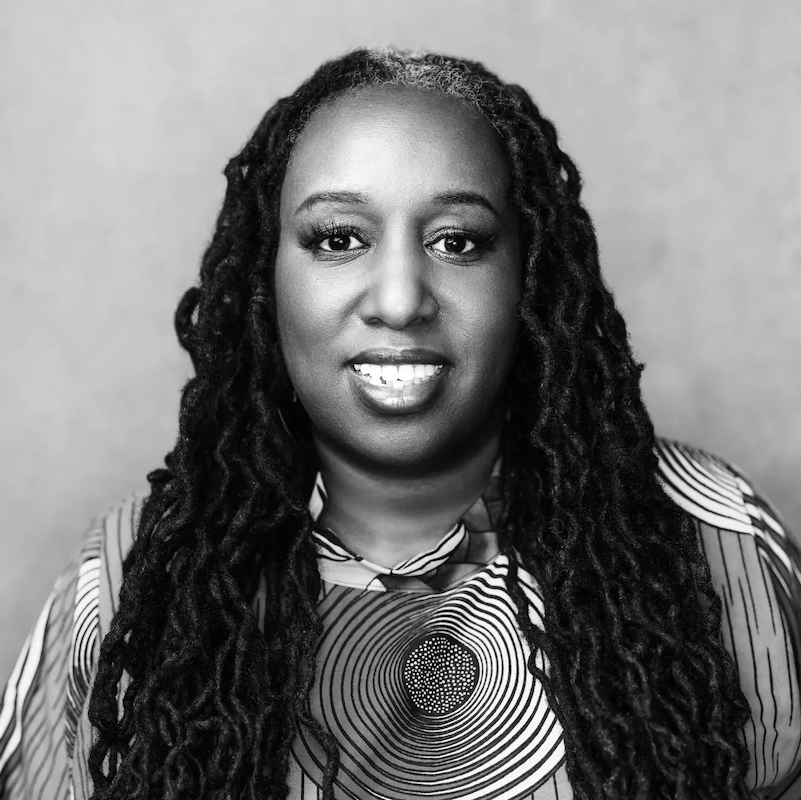
Dr Kũi Mackay
Kũi brings creative thinking and innovative problem-solving to her work at BRK Ujima. With over 20 years of experience across the private sector, NGOs, and academia, she has consistently advocated for the rights and visibility of Black and minoritized communities. She holds a PhD in Human Geography from Royal Holloway University of London, where her research explored transnational identity construction and performance on social media, as well as a Master of Science in Practicing Sustainable Development with an ICT4D specialism, and a Bachelor of Laws (LLB Honours) from Lancaster University. Her ability to blend academic rigour with practical application drives positive change and shapes BRK Ujima's research strategies and impact. Connect with Kũi on LinkedIn.
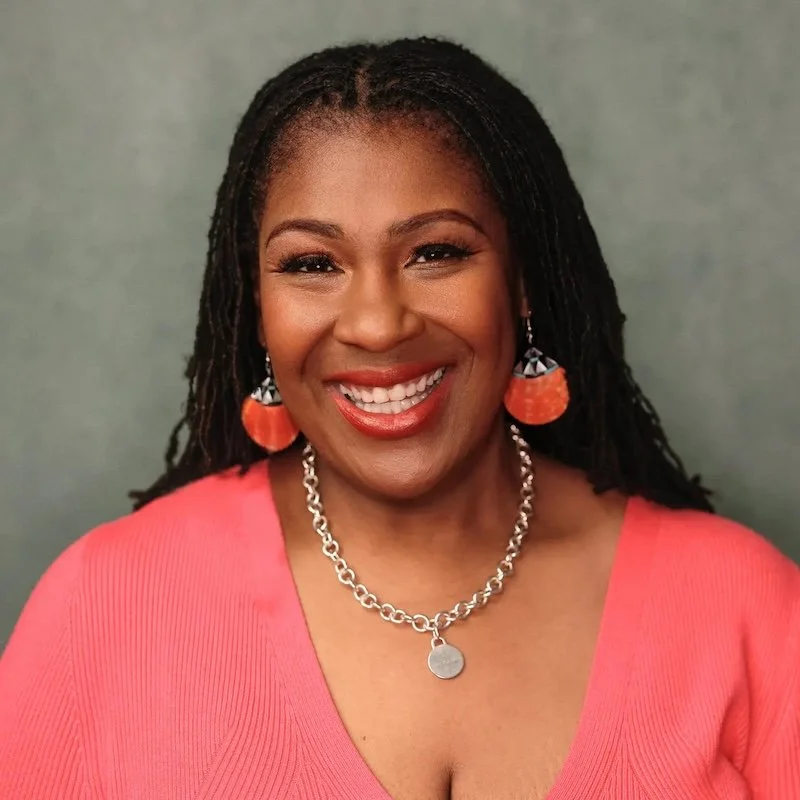
Dr Ronda Železný-Green
Ronda’s warm, authentic approach creates welcoming and inclusive spaces. With over 20 years of professional experience spanning five continents and roles in the public, private, and civil society sectors, she has made significant strides in empowering Black people, women, people with disabilities, and other marginalized populations in technology and education. She holds a PhD in Human Geography and other advanced degrees in sustainable development, applied linguistics, and instructional design. Ronda is also the Co-Founder and Director of Panoply Digital and the Founder and CEO of datocracy, where she continues to champion the use of technology and data as transformative tools for social justice. Connect with Ronda on LinkedIn.
About BRK Ujima

BRK Ujima is a dynamic and unapologetic Black feminist-led organization working to dismantle systems of inequality and oppression. Founded and run by three Black women, the organization is rooted in the spirit of Ujima (the Kiswahili word for collective work and responsibility) and driven by a radical love for oppressed people. BRK Ujima collaborates with organizations to advocate for and uplift the rights and well-being of marginalized communities through research and expertise, workplace inclusion training, public speaking, and wellness programs for Black people..
Find out more about BRK Ujima's work at brkujima.com.